
School’s of Paleo Thought
Paleo, Primal, Ancestral Eating, AIP, Vegan, what the -?
There is a multitude of diets and ways of eating out there but the ‘it’ diet of the moment is definitely Paleo. While the media has mutilated the Paleo framework to appear dangerous, experts in the field of nutrition have also tweaked the diet and created a number of different schools of Paleo, making the diet all the more confusing. With all of this confusion abound, I have decided to simply it for you, explaining each School of Paleo Thought, their curriculum and whether I’d be willing to pay any tuition…
Schools Of Paleo Thought Explained:
Paleo
Ethical & Environmental Paleo
Primal
Ancestral Eating
Auto-Immune Paleo (AIP)
Vegan
My Thoughts Towards the Paleo Diet
I guess the closest to my curriculum is a combination of the Primal Diet mixed with Blood Type/Ancestral Eating, Mark Sisson and I are probably the two naughty kids sitting at the back of the class talking too much. Like myself though, Mark speaks about the importance of making a diet sustainable; encouraging his followers to ‘see what you can get away with’. Peter D’Adamo illustrates our evolutionary success and the unique adaptability that humans display. Our ability to genetically adapt to our environment is unique across the many species on the planet.
When followed obsessively I have seen the Paleo diet, the Vegan diet and even the Blood Type diet lead to disordered and isolating relationships with food and unless it is absolutely necessary, like in the case of an auto-immune disease for example, I would not recommend anyone follow any diet 100% of the time. However, as a step towards healing and detoxifying the body, I by all means endorse the Paleo style diet, but following this elimination diet, I usually encourage my patients to reintroduce ‘non-paleo’ wholefoods such as dairy, legumes and ancient grains and see how they feel.
If you find that you do well on dairy, then by all means serve your morning Forage with a high quality full-fat yoghurt, or if you’re a high performing athlete that thrives on meal preps with rice then by all means, meal prep away. You might even find that you tolerate some amount of chocolate, or alcohol each week.
I’m a huge advocate for the 80/20 rule: eating nutritionally dense wholefoods 80% of the time and leaving myself a little ‘play room’ of 20% that equates to 3 ‘muck around meals’ a week.
So all in all, you might want to enroll in one of these schools to get you started, but unless absolutely necessary, there is no need to be a lifetime student; you might just find that those best parts of university might still be able to be a part of a balanced 80/20 diet and lifestyle approach.


Related Podcast Episodes
- 15 May, 17 – 100NO 215: Ancestral Eating & Life Changing Food with Jo Whitton & Fouad Kassab
- 20 March, 17 – 100NO 207: Paleo diet peeps getting fillings coconut used as toothpaste!
- 18 May, 15 – TWG 201: Nora Gedgaudas, Primal Body Primal Mind
- 20 April, 15 – TWG 197: Paleo Fitness Primal Play
- 28 April, 14 – TWG 146: The Paleo Vegan with Ellan Jaffe Jones
- 3 May, 12 – TWG 44: Atkins vs. Paleo Diets
- 4 March, 12 – TWG 34: Interview with Loren Cordain (Author of The Paleo Diet)
Recent Articles
Let’s get protein right…
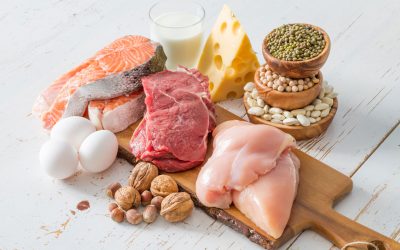
There has been a lot of discussion about protein lately in regards to the Paleo diet – with research claiming red meat causes cancer and that too much protein is bad for you. I’m here to set the record straight and explain what protein is, why we need it and how much....

Why the Merry Maker Sisters Ditched ‘Paleo’ and Why You Should Too
They’re outrageously giggly, energetic and downright Merry… The Merry Maker Sisters are favourites of ours on the Wellness Couch. In part because of their infectious laughter but more so because of their passion for sharing messages of health and positivity. In recent...

Which Oil When?
The ‘Which Oil When?’ debate can be dated back to the 1960s showdown between butter and margarine. In response to growing concerns about the perceived dangers of animal fats and saturated fats in our diets, the food industry promoted a new range of...